




 OKPOLICY.ORG
It’s easy to look at Oklahoma’s challenges and feel discouraged. Our public schools struggle for resources. Too many families struggle for basic needs. Rural communities fight for hospitals and essential services. Too often, political division overshadows the real solutions we can solve together.
But something else is happening across Oklahoma. And it should give us hope.
College students, recent graduates, and young professionals are asking questions. They want to understand why our state works the way it does and how they can make it better.
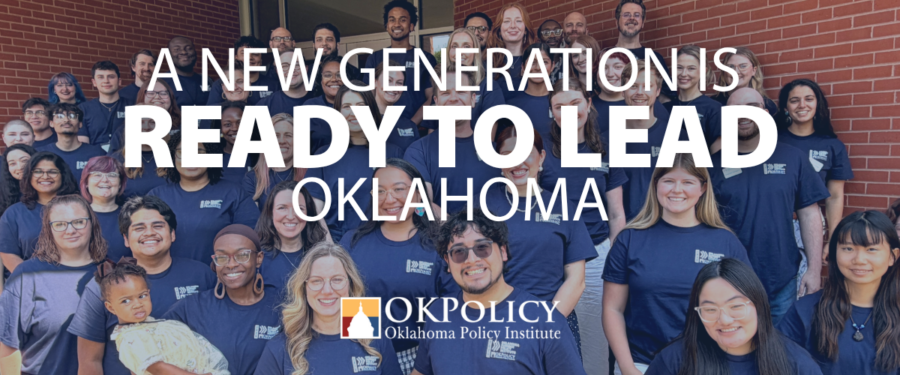
I saw that interest last week during the Oklahoma Policy Institute’s Summer Policy Institute. This three-day program brings together young Oklahomans who want to learn more about public policy.
They heard from elected officials, policy experts, community leaders, and advocates. They explored issues including taxes and budgets, criminal justice, child well-being, housing, immigration, and Tribal-state relations.
What encourages me most isn’t just what they learn, but why they come.
They see that the state they call home isn’t addressing the core issues holding it back from reaching its potential and serving all residents. They want to make a difference.
These Oklahomans recognize something important: the future doesn’t just happen to us. We all have a role in shaping it, and that role begins now. And that starts with understanding how decisions are made.
Public policy can sound complicated or distant from daily life. But the state’s laws and rules shape our children’s public schools, the roads we drive, the health care in our communities, and whether working families can get ahead.
You don’t need to be an expert to have a voice in those decisions. You just need the curiosity to learn, the courage to ask questions, and the willingness to get involved.
That is what I see in this new generation of Oklahomans.
They aren’t waiting for someone else to solve our problems. They’re learning how systems work, challenging old assumptions, listening to different viewpoints, and asking how they can improve their communities.
Oklahoma faces real challenges. Solving them will not be easy or quick.
But our state also has something powerful working in its favor: a rising generation that believes a better Oklahoma is possible and wants the knowledge and tools to help build it.
Our responsibility is to welcome them, inform them, listen to them, and make space for their leadership.
Oklahoma’s future won’t be shaped by those who sit on the sidelines. It will be shaped by those who believe they can help change it.