




 OKPOLICY.ORG

Camille Landry is a writer, activist, and social justice advocate who lives in Oklahoma City. This post is part of our “Neglected Oklahoma” series, which tells the stories of Oklahomans in situations where the basic necessities of life are hard to come by. These are real people and their stories are true (names have been changed to protect privacy).
Information in this article was relayed to Camille by a 46-year-old inmate serving an 11-year sentence in an Oklahoma Department of Corrections facility.
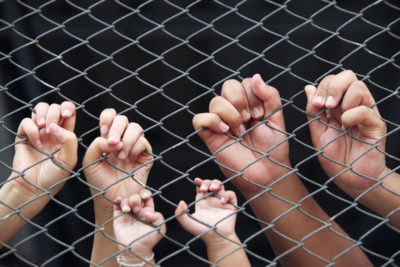 I’m not unusual. Not at all. I am one of more than 26,000 human beings incarcerated by the Oklahoma Department of Corrections (DOC). About 3,000 of us are women — who are imprisoned here at a rate higher than anywhere else in the world — and some of us are children who were tried and sentenced as adults. Some of us are guilty of serious crimes. Some of us are guilty of lesser offenses that would not lead to incarceration in other states. Some of us are innocent. All of us are your fellow citizens, members of your community — maybe members of your family.
The DOC says 55 percent of us suffer from mental illness and/or substance abuse. Our average age is 37, but some of us are elderly. Some of us are ill: cancer, arthritis, diabetes, kidney failure, and other maladies add to our misery. Some of us will die here. Some of us have lost our health, mobility and function of our bodies because we did not receive needed medical attention. Some of us will be sentenced to death by medical neglect.
Some of us are in maximum security prisons where we stare through bars most of the day. Some of us are crammed into overcrowded, stinking, dangerous county jails because so many Oklahomans are being incarcerated, they can’t find a prison to keep us. Some of us are so accustomed to the smells of raw sewage, mold, mildew and human funk that fresh air seems foreign. Some of us sleep packed like sardines in spaces that used to be gymnasiums or classrooms because the state is running out of cells. Some of us are in private, for-profit facilities that provide as little in the way of services and rehabilitation as possible while the corporation makes big profits off of taxpayer money.
We are the people who have intimately experienced Oklahoma’s budget crisis. We are the people who have dealt with underfunded schools, unsafe housing, no health care, and parents who were locked up. We are the people who were taken from our families by the state and put into a frightening, poorly-run foster care system.
We are the people whose family members pay for us to be here — all at prices much higher than retail. Our families send money to buy necessities like deodorant, shampoo, feminine hygiene items, and soup to supplement our diets. They buy fans to help us survive boiling-hot summers with no air conditioning. They pay for Tylenol when we have aches and prescriptions and doctor and dental visits when we get sick. They pay high rates for phone calls. They buy our shoes because the DOC won’t provide them for sizes larger than 12. They pay for TVs, radios, and books that help break the monotony.
We are the people who subsist on a diet consisting mostly of starches, high in salt and sugar, and we scramble to find money to pay for the diseases that result. We are the people who rarely taste fresh vegetables or fruits because budget cuts put an end to prison gardening programs.
We are the people whose mandatory minimum sentences keep us locked up longer than people in other states. Once we are finally released, we are the people who face huge fines and fees that run into the thousands of dollars. We are often charged for the “privilege” of being incarcerated. If we fail to pay these fines, we can be locked up again. We are the people who cannot sit on a jury, adopt or foster a child, get a student loan, or hold many jobs.
We are the people who receive little to no useful training, treatment, or therapy while we are locked up. We are the people who often do not have a fighting chance to live a normal, productive life after our release. We are the people who leave these horrible cells only to be released into communities that will not hire us, will not house us, will not allow us to become educated, and do not allow us the basic services we need to become whole and functional. We are the people who experience plenty of punishment but no rehabilitation.
We are your sisters, brothers, sons, daughters, neighbors.
We are the people who will return to the community you live in, more damaged than when we left.
We are the people who are living a nightmare without end.